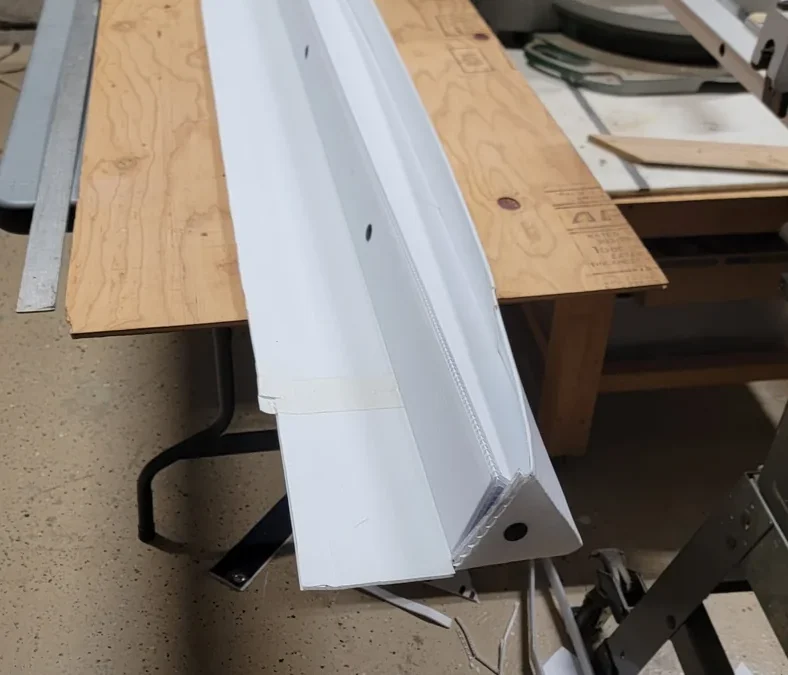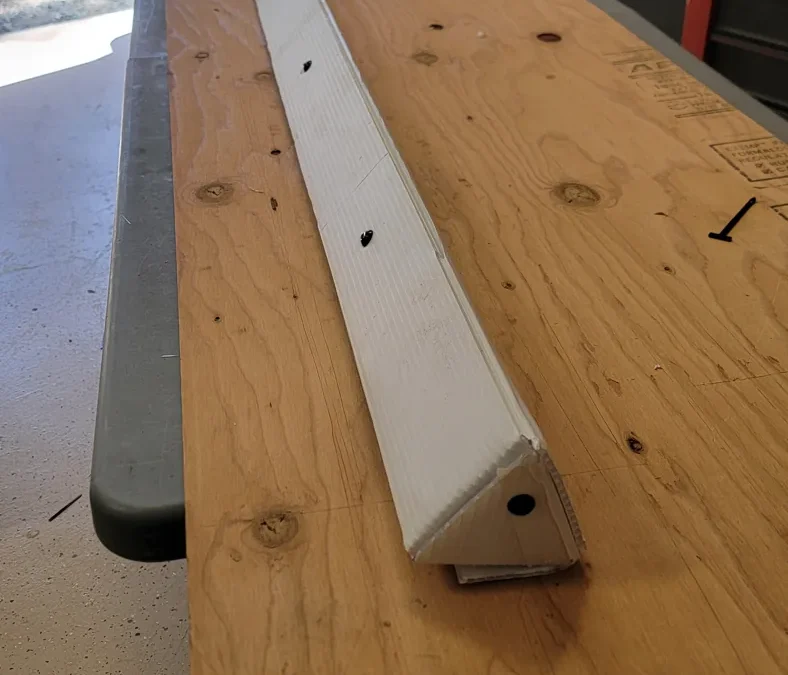
A long, one-piece fishing rod presents a packaging problem before it ever enters the shipping system. It’s slender, fragile, and awkward to ship—and the person sending it may have no suitable packaging on hand.
I started building TriAngler to address that problem: a shipping system designed around the rod, from getting the empty packaging to the sender to protecting the rod on its journey.
The Packaging Has to Get There First
Think about a rod that needs to go back for repair or warranty service. The owner may no longer have the original shipping tube or box. Finding a replacement becomes another task before the return can even begin.
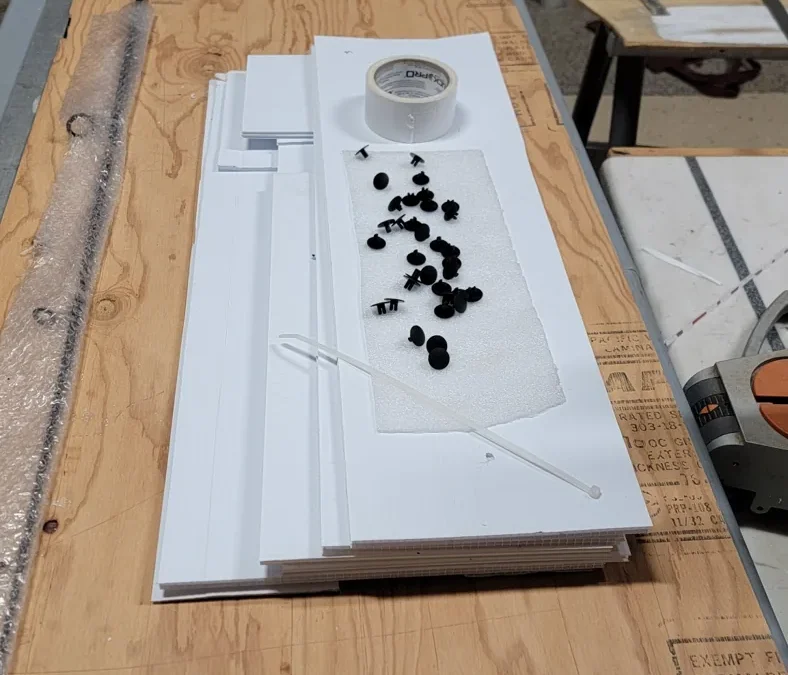
Sending an empty, full-length container creates its own shipping and handling problem. I wanted packaging that could arrive as a compact kit, then unfold into the length needed for a one-piece rod.
That became a central part of TriAngler’s design: compact before use, full-length when it’s time to ship.
Built Around the Rod
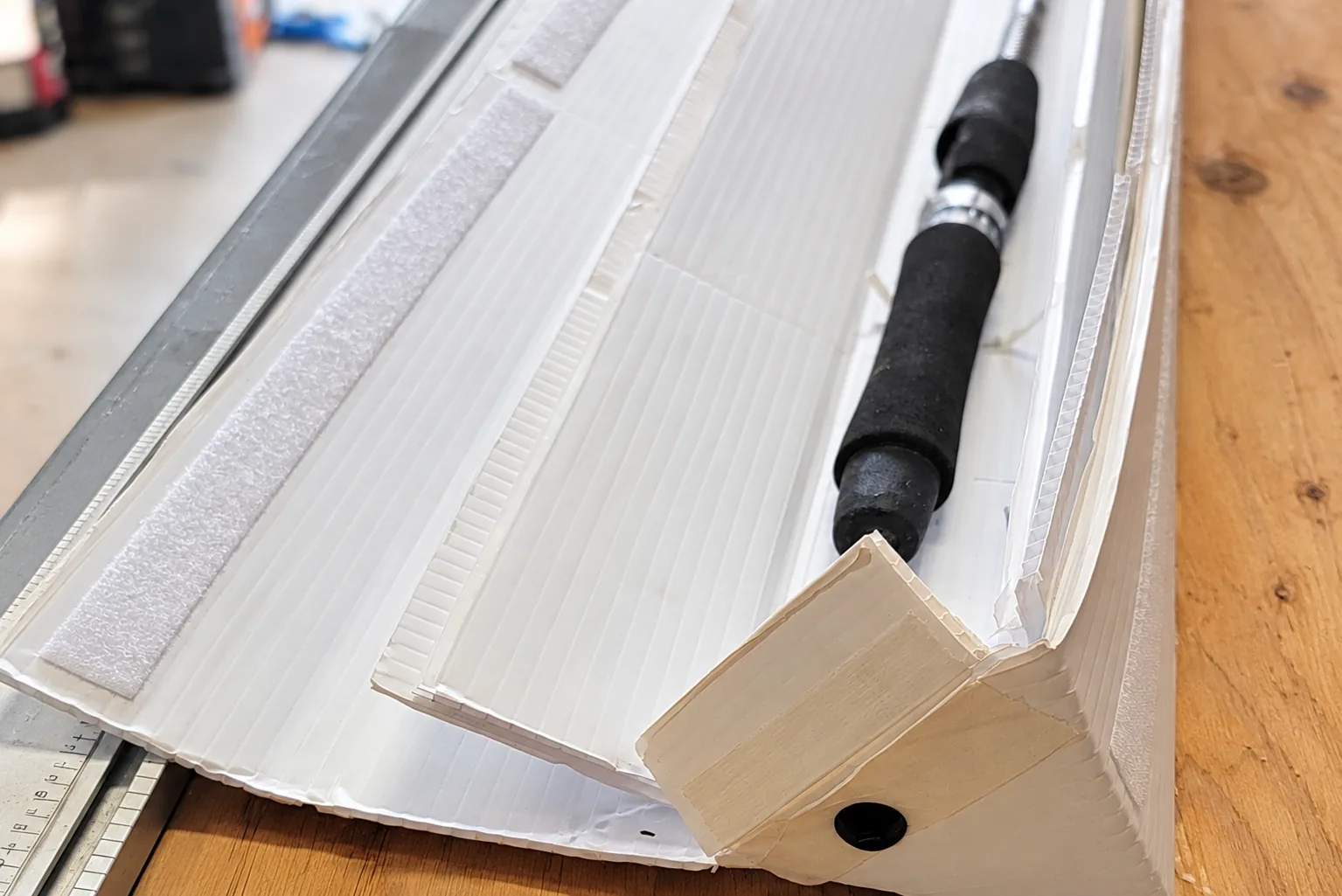
The next challenge was protection. A long outer shell is only part of the solution. The rod also needs to be restrained inside, with attention to its handle, guides, and vulnerable tip.
TriAngler brings those needs together through a triangular shell, nested protective layers, and an internal restraint system. The long-side opening allows the rod to be laid into the package so its placement can be checked before closing.
Each feature serves the same purpose: making a long rod easier to pack and better protected during shipment.
From an Idea to a Working Package
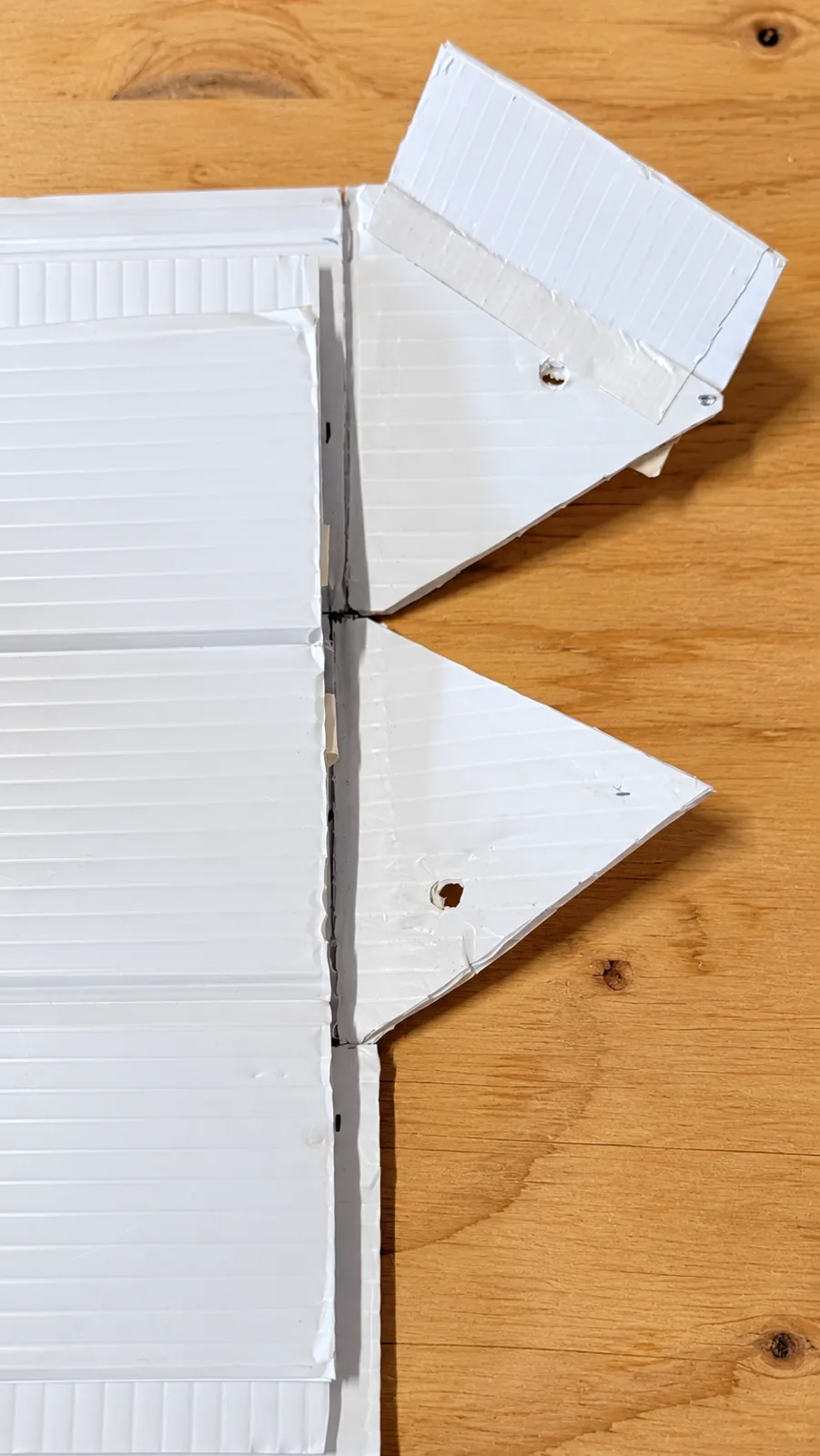
Development has meant building prototypes, working through folding patterns and closures, refining how the layers fit together, and testing the assembled package.
The practical details matter as much as the shape. How does it arrive? How does someone assemble it? Can they secure the rod without fighting the packaging? How much unnecessary size and weight can be avoided?
Those questions continue to guide the work.
TriAngler began with a straightforward goal: give anglers, rod builders, and manufacturers a purpose-built way to ship long fishing rods—including when the packaging needs to reach the customer first.
Next: Why a Triangle? The Shape Behind TriAngler