TriAngler combines nested corrugated plastic layers, connected panels, and internal rod restraint to create a full-length fishing rod shipper. Opening the package reveals how those parts fit together—and lets the sender see the rod’s position before closing it.
Nested Triangular Layers
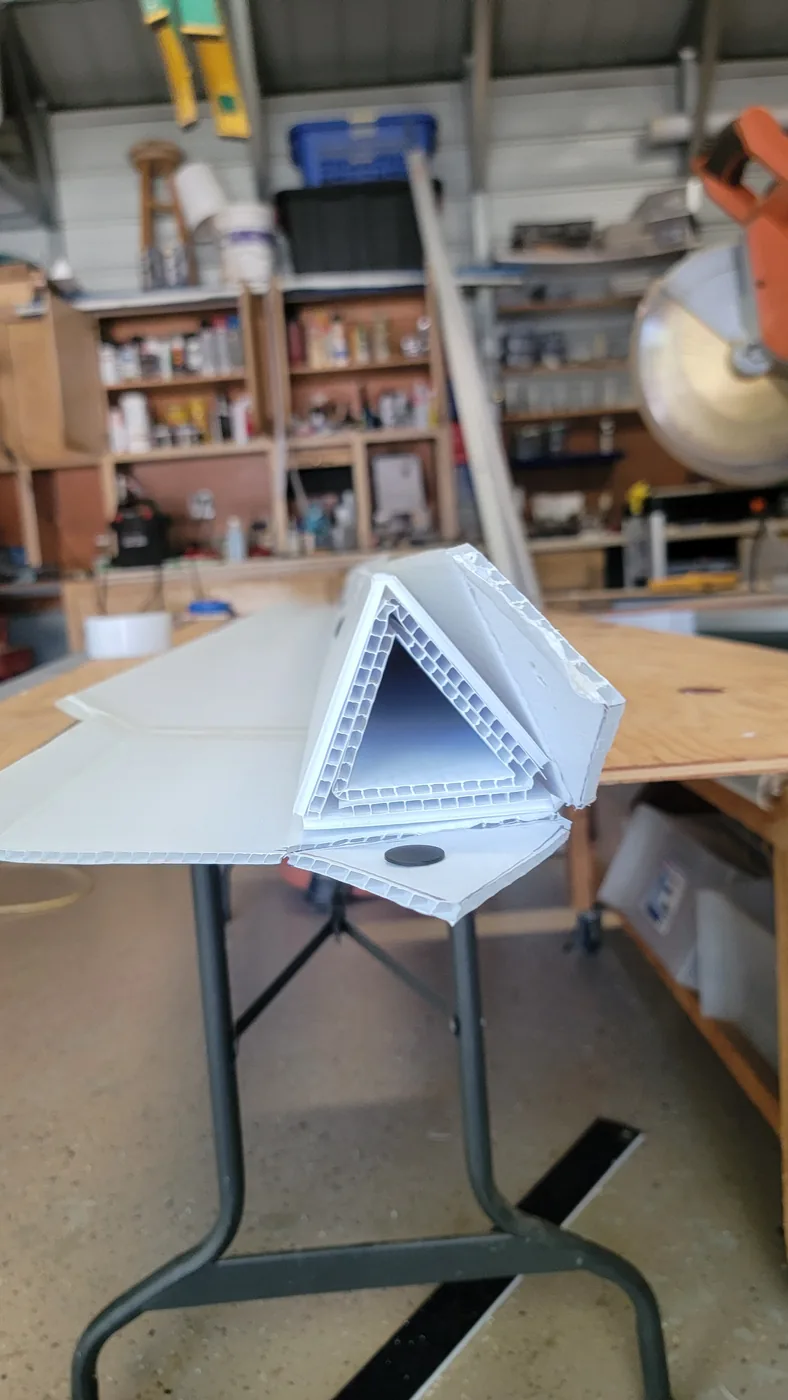
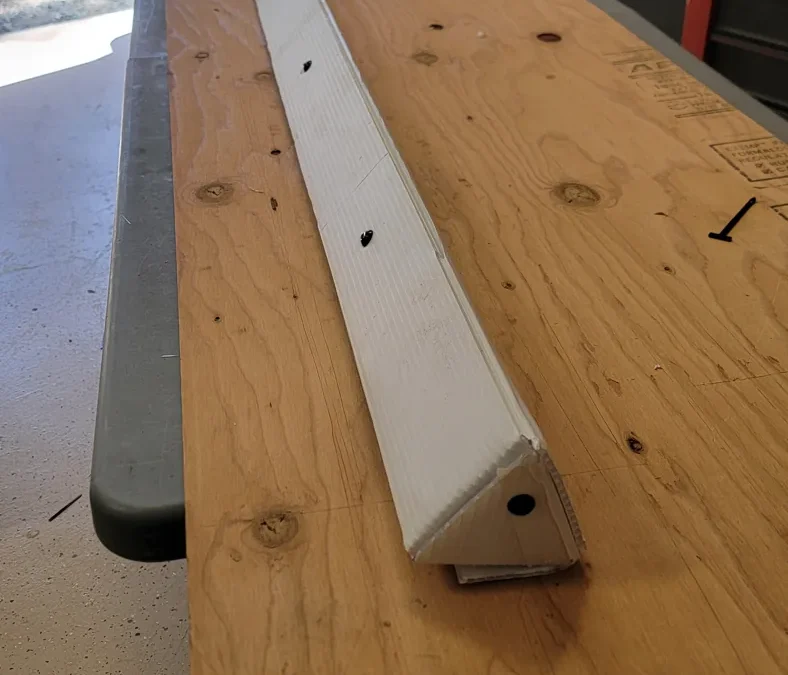
The end view shows the construction clearly: triangular layers fitted inside one another, surrounding the space for the rod. Each layer adds material around that space while preserving the triangular shape.
The openings are staggered around the shell. As the layers close, their overlapping sides cover the openings of neighboring layers.
Connected Panels
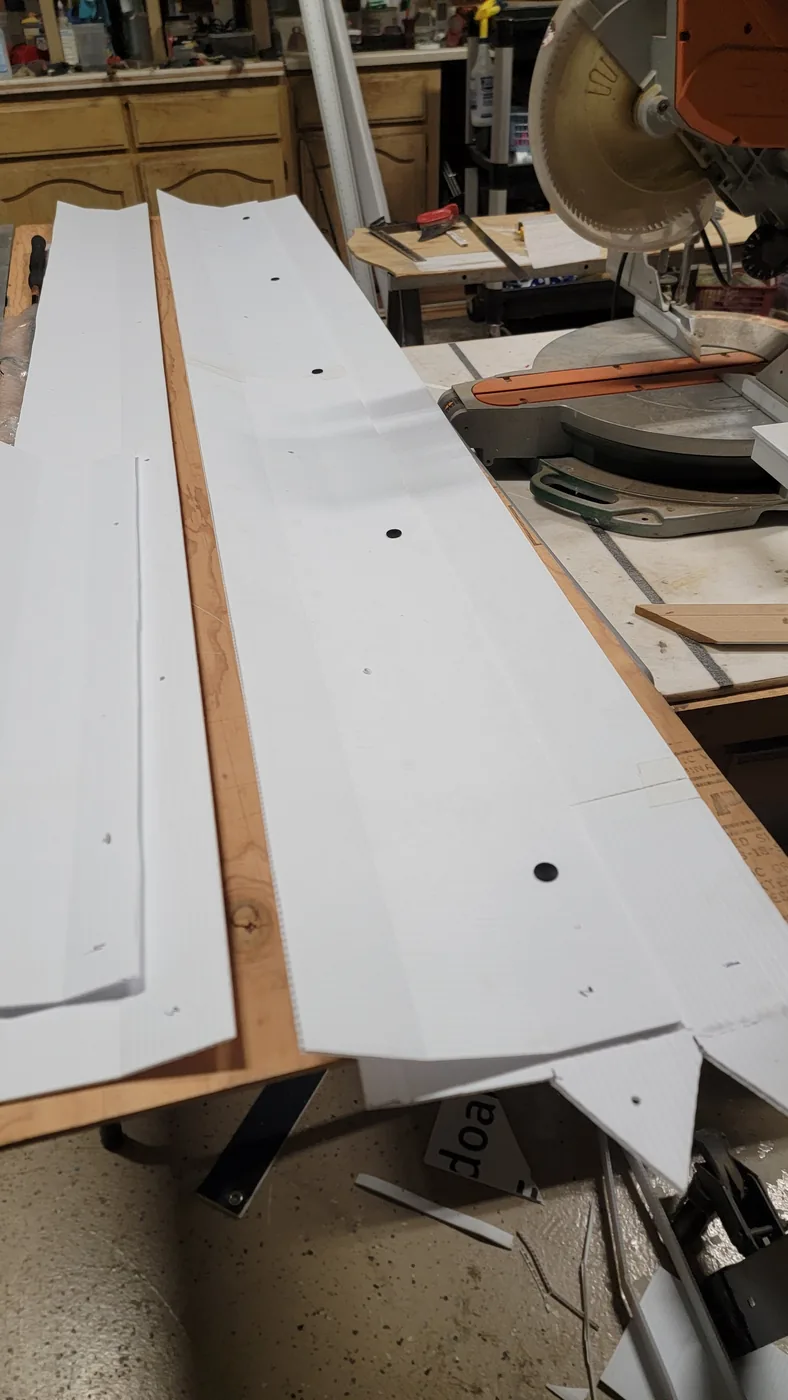
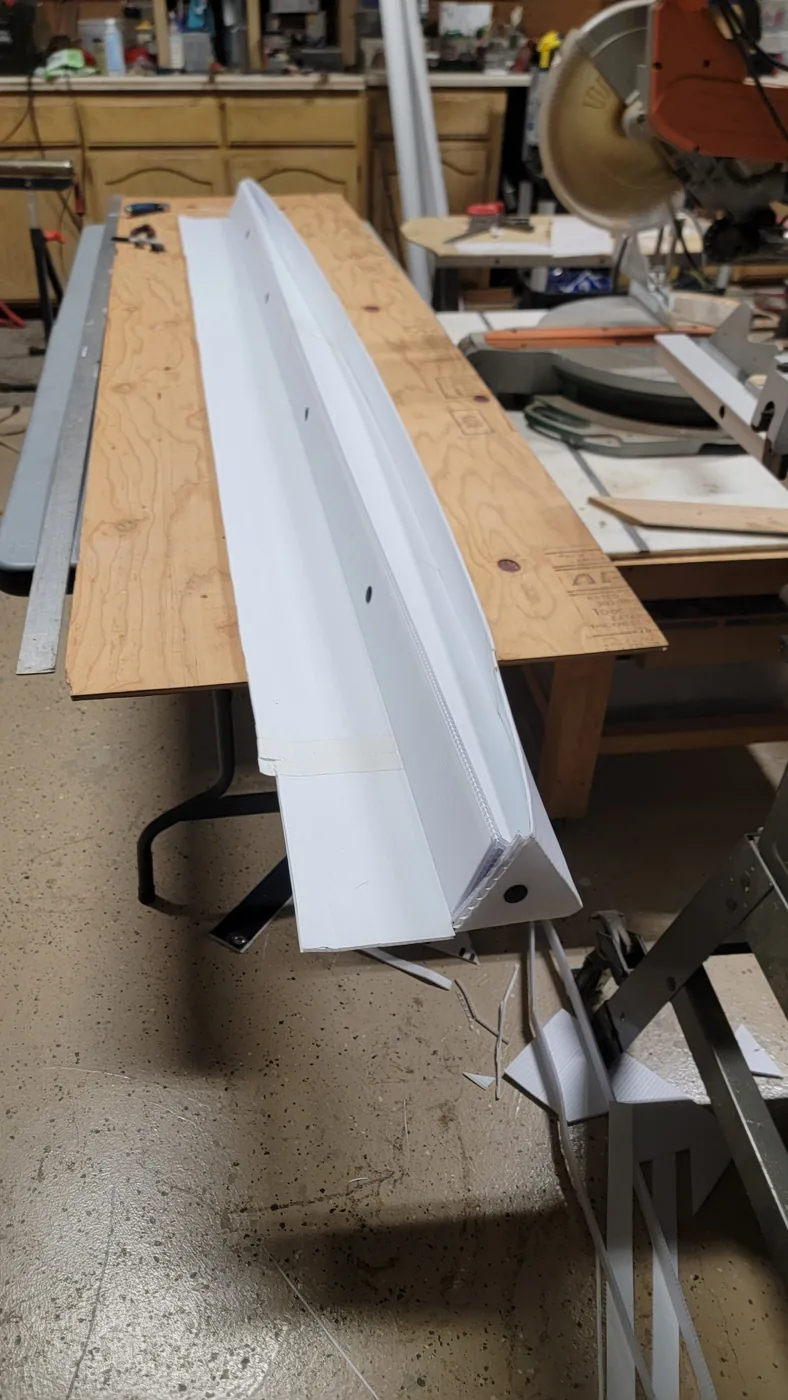
Rivets connect the nested sections so they can be handled as an assembly. The open-panel view shows those connection points and the folds that allow the material to change from flat panels into a triangular shell.
The connections keep adjacent layers aligned while allowing the package to open along its length for packing.
Position the Rod Before Closing
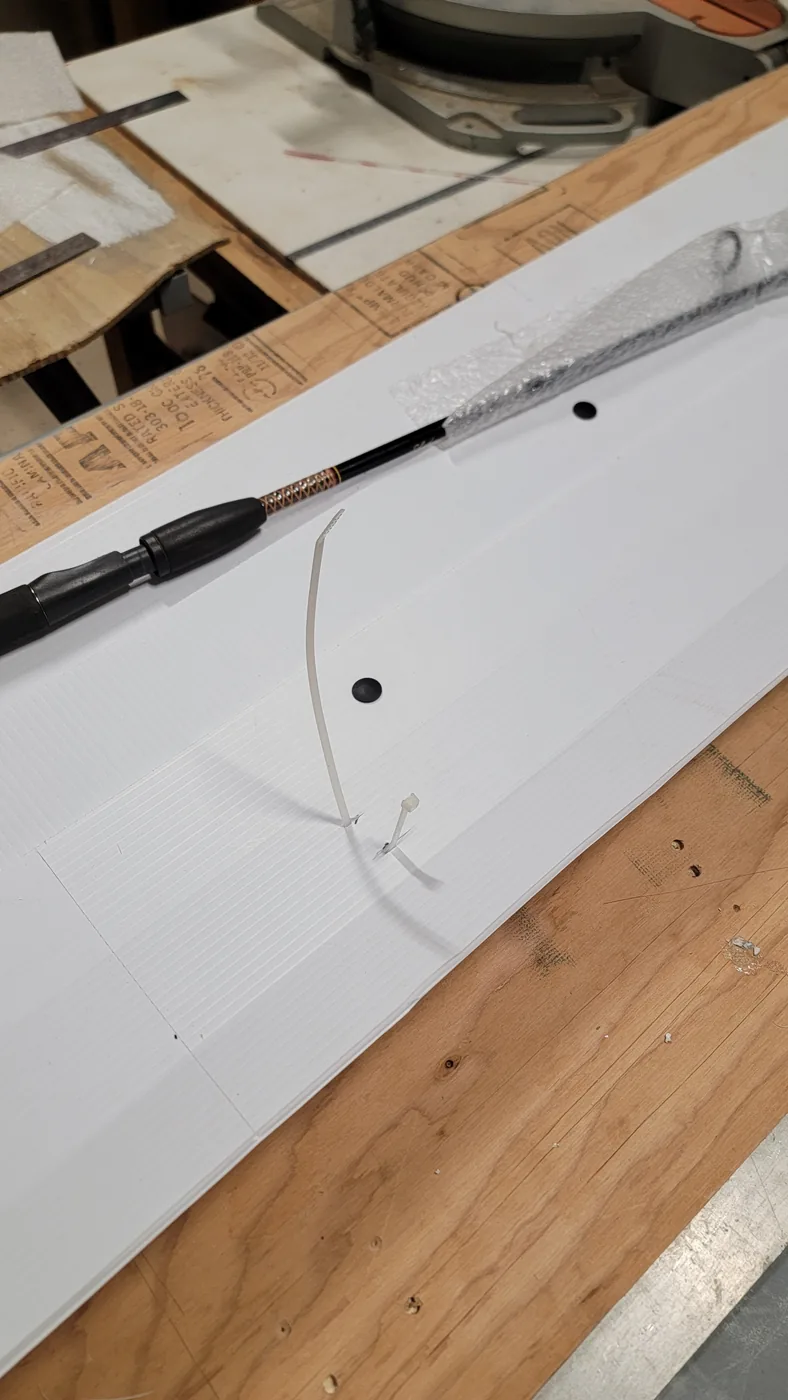
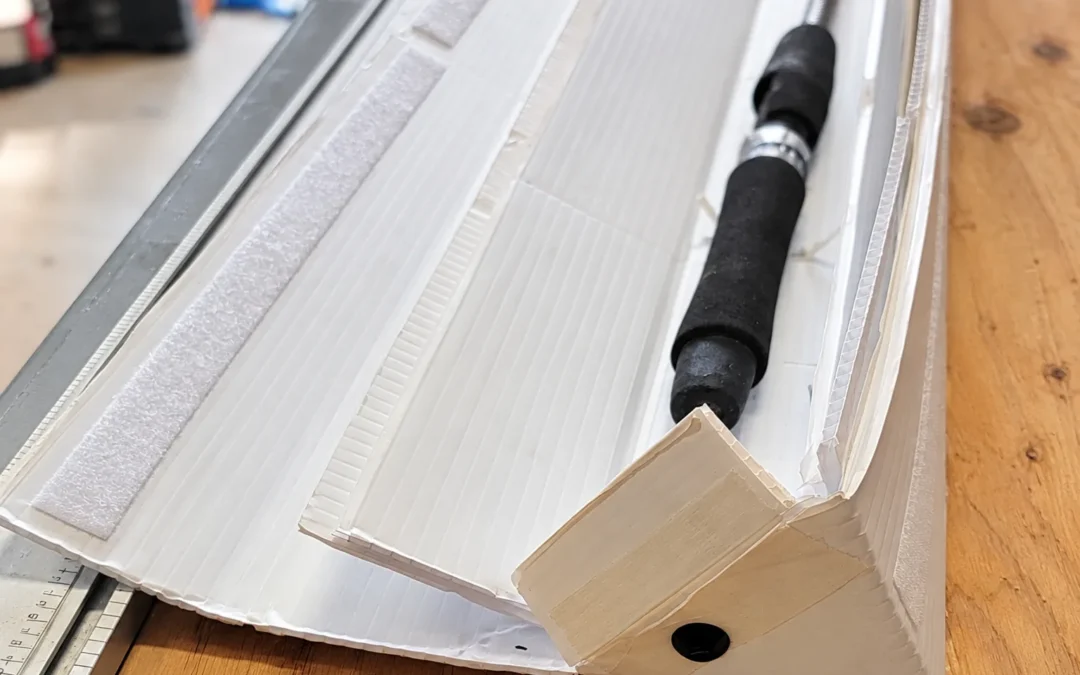
The rod is laid into the open shell, where the sender can check the handle, guides, and tip. Protective wrapping can be positioned before the surrounding layers are folded closed.
This access makes it possible to see what is happening inside the package throughout the packing process.
Restraint at the Handle
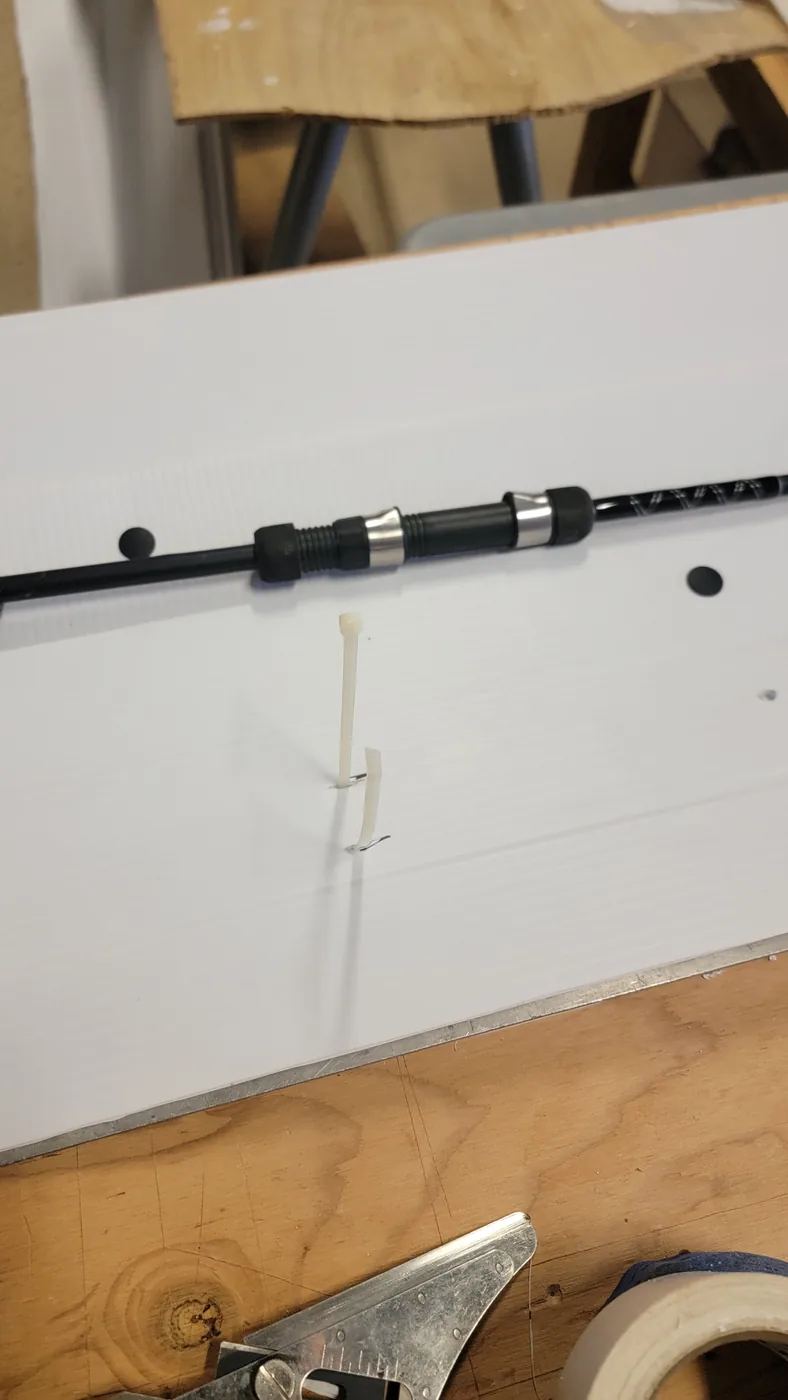
A zip tie threads through two openings in the panel near the handle. The close-up shows the tie before it is fastened, making its path through the material visible.
With cushioning around the handle, the tie secures the rod to the internal assembly. The restraint is intended to limit movement inside the shipper rather than leaving the rod loose within the shell.
Closing the Shell
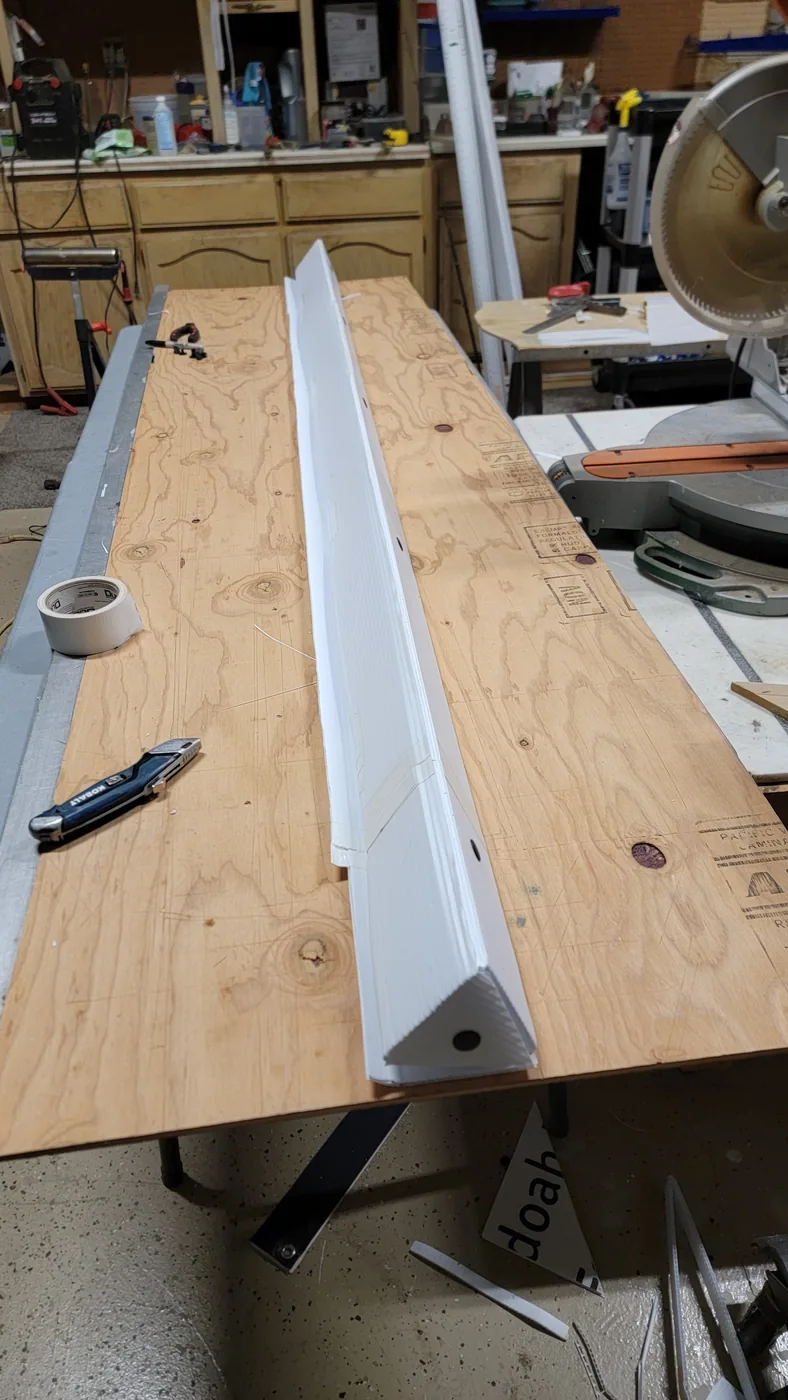
Once the rod is positioned and secured, the nested layers close around it. The assembled view shows how the open panels become a long triangular package.
Each component contributes to the packed system: the connections hold the layers together, the restraint holds the rod in position, and the surrounding shell provides the shipping enclosure.
Next: Putting TriAngler to the Test.