Shipping a fishing rod can involve two separate trips: getting suitable packaging to the rod owner, then getting the packed rod to its destination.
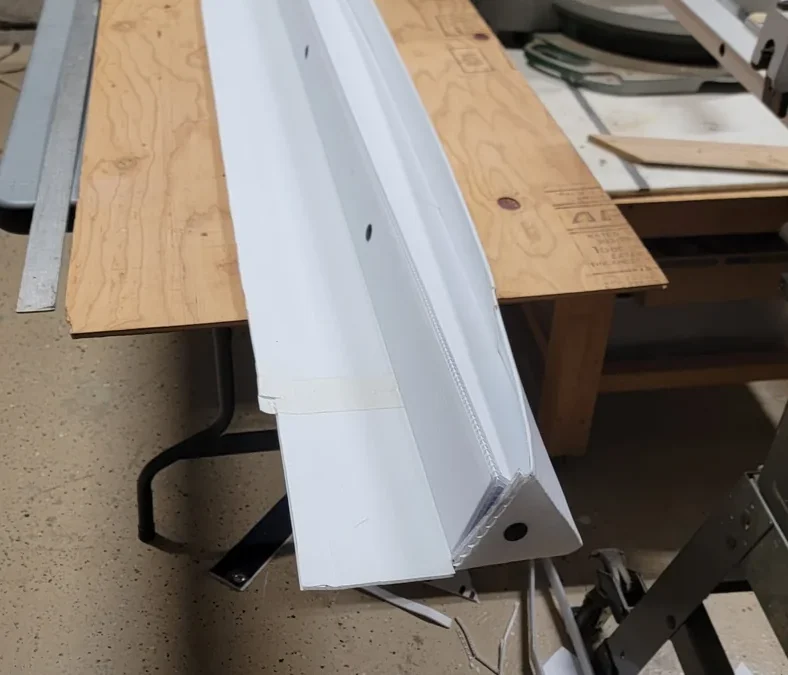
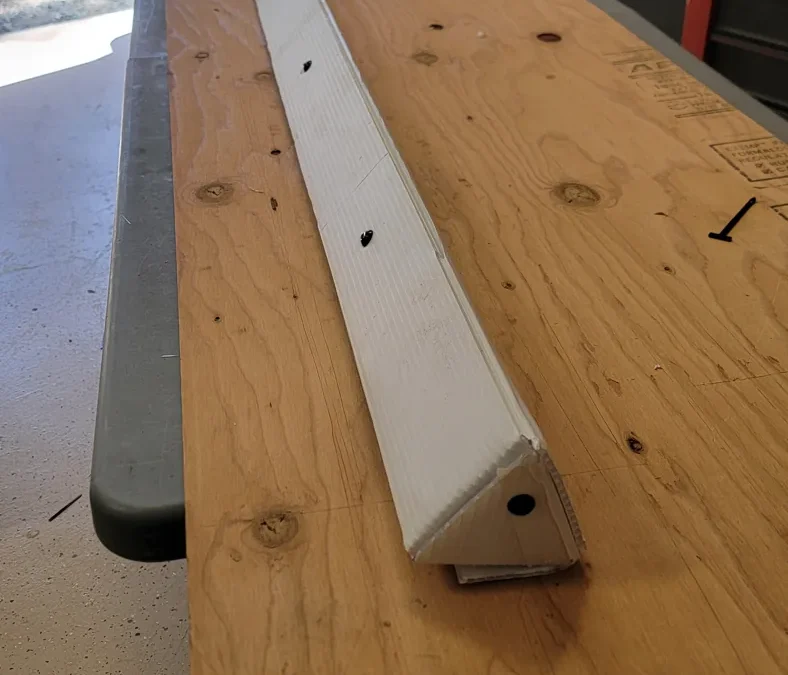
TriAngler is designed around both. It folds into a compact package for delivery to the sender, then opens to form a full-length shipper for a one-piece fishing rod.
The Empty Package Has a Journey Too
A rod owner arranging a repair or warranty return may no longer have the original shipping container. Before the rod can go anywhere, they need packaging that fits it.
Finding a long tube or building a box adds work to the return process. Sending an empty, full-length container solves the fit problem but means handling and transporting a long package before there is even a rod inside.
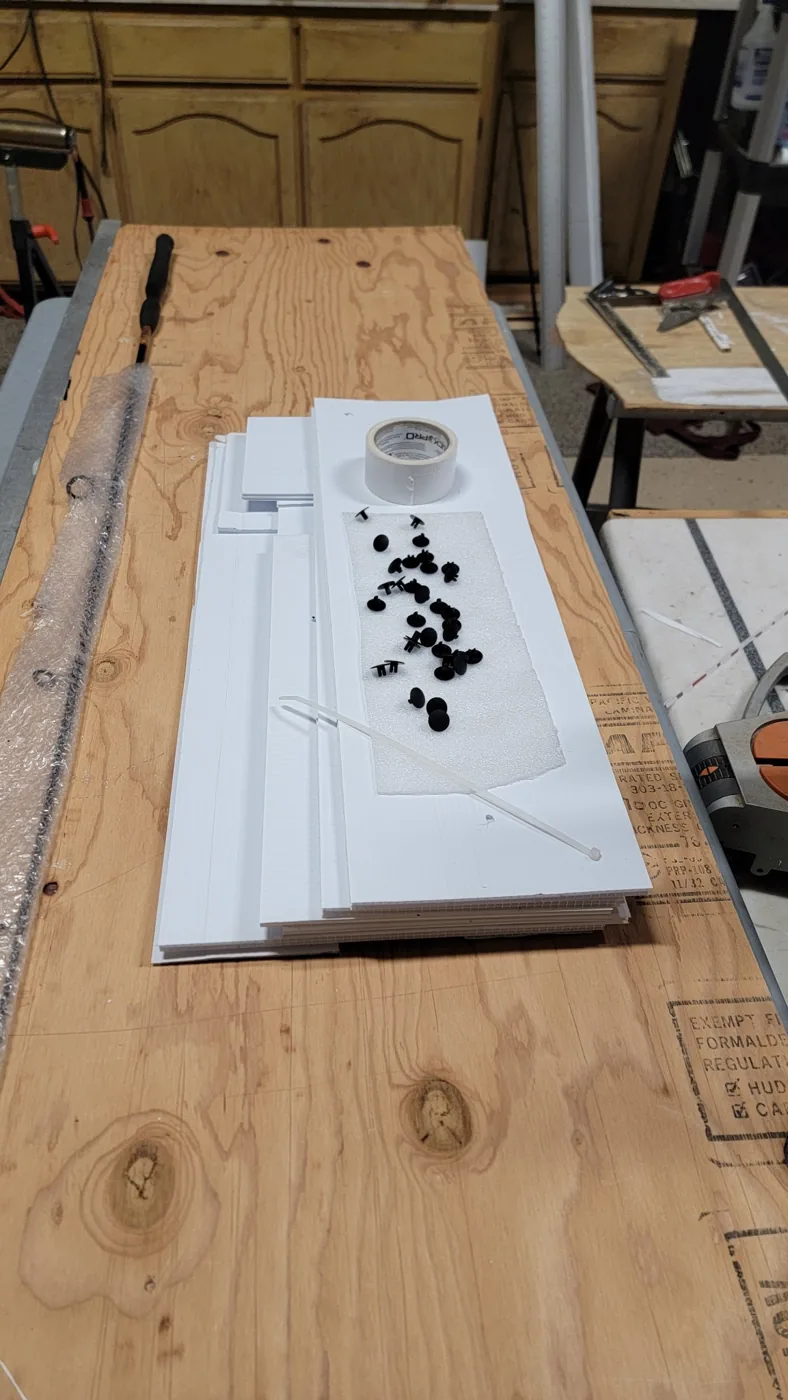
TriAngler’s folded format addresses that first trip. The panels arrive compact, ready to be opened and assembled around the rod.
Compact Before Use
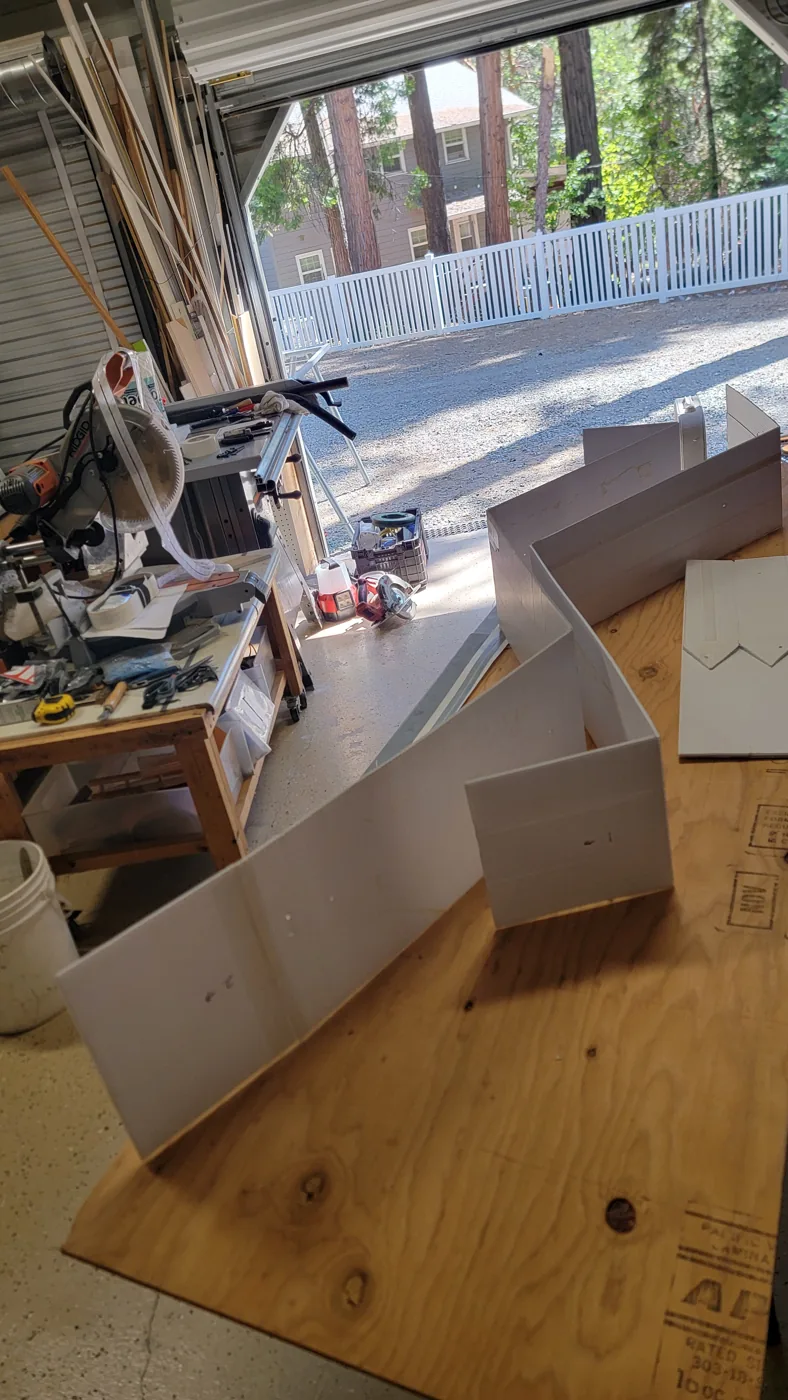
The corrugated plastic panels fold back on themselves in an accordion pattern. That lets the length needed for the finished shipper fit into a shorter package before assembly.
For a rod builder, manufacturer, or repair shop, that creates the possibility of supplying packaging directly to a customer as part of the return process. The customer receives a purpose-built starting point instead of having to source a suitable container.
Full-Length When It Matters
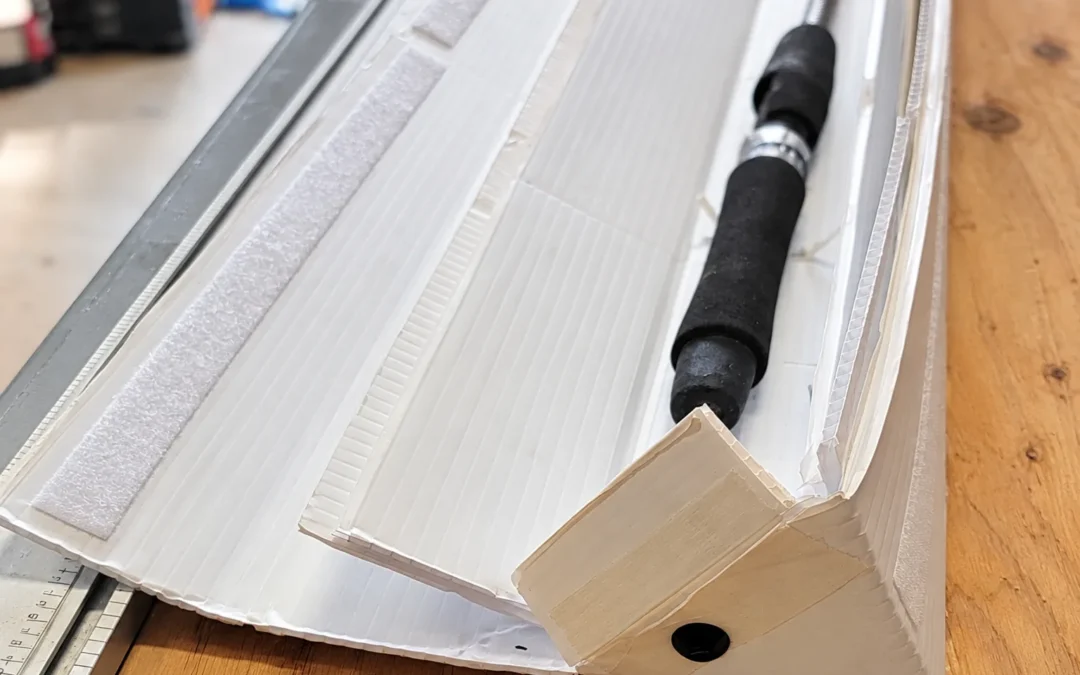
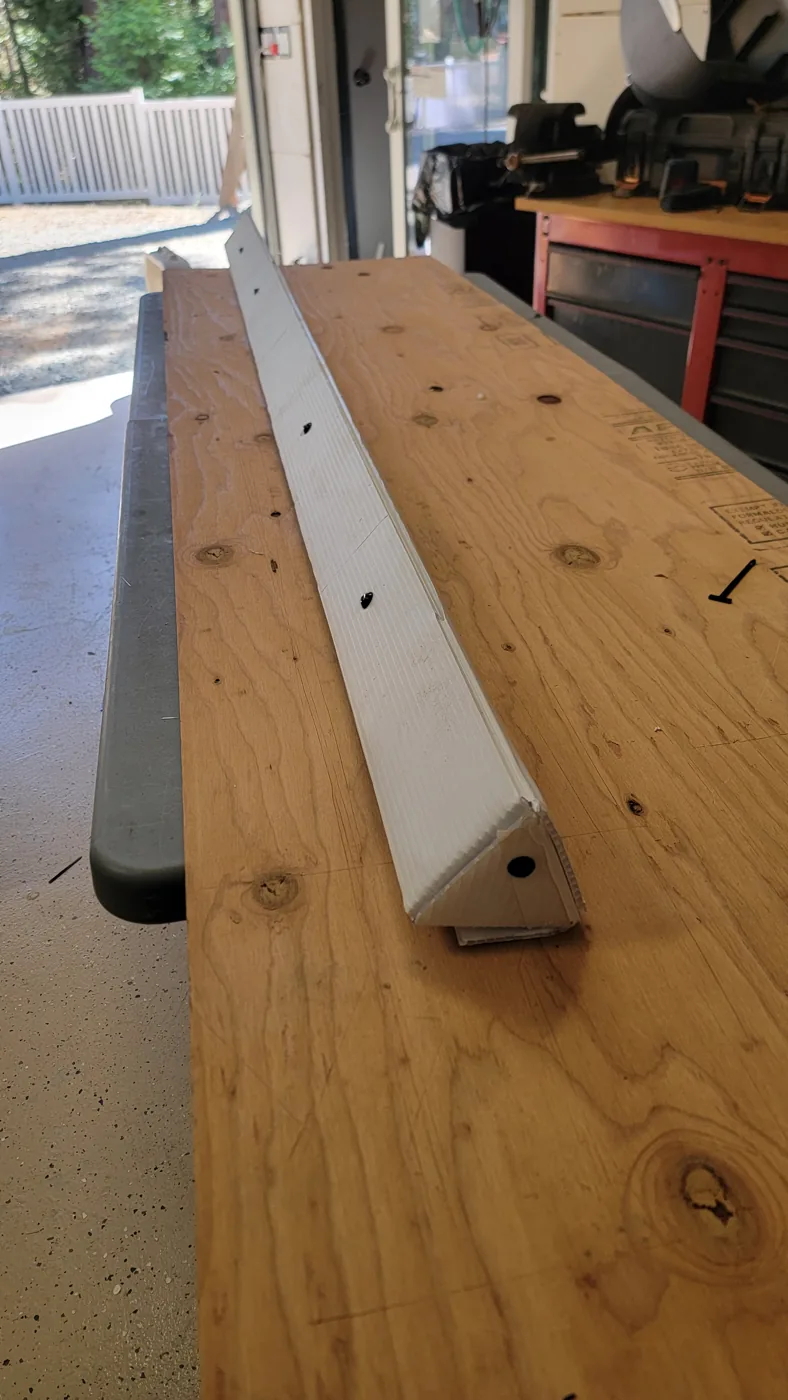
Once extended, the panels form the nested triangular shell. The rod can be laid into the open package, its position checked, and its handle secured before the layers are closed.
The compact format is for the empty packaging. Once assembled, TriAngler provides the length needed to ship the rod without taking a one-piece rod apart.
A More Practical Return Process
The intended process is straightforward: send the compact kit to the customer, have them assemble and pack it, and receive the rod for service.
Providing a consistent package also gives a business a consistent basis for packing instructions. It can explain where the rod goes, how to secure it, and how to close the package using the same components each time.
TriAngler’s practical advantage begins before the rod is packed. It considers how the packaging reaches the person who needs it—and how that person turns it into a shipper.
Next: Inside TriAngler: How the Parts Work Together.